

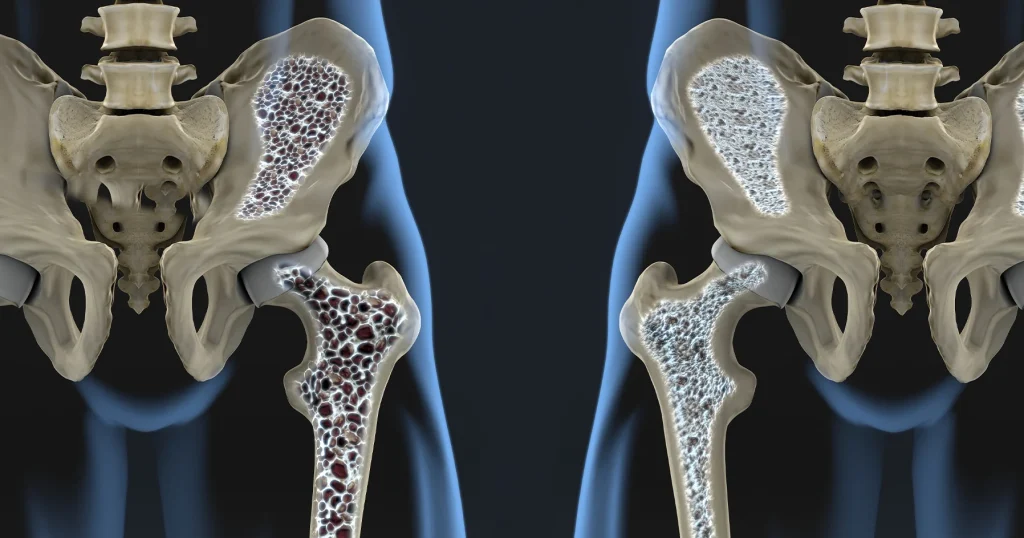
Osteoporosis is a common condition in Australia that causes bones to become thin, fragile and more likely to fracture. It affects both women and men; however, women—particularly after menopause—are at higher risk.
In Australia, around two-thirds of people over the age of 50 have reduced bone strength (osteoporosis or osteopenia), often without knowing it. This is because osteoporosis is usually asymptomatic until a fracture occurs.
Early detection through bone density testing, along with adequate calcium and vitamin D intake, regular weight-bearing exercise, and medical treatment when required, can significantly reduce fracture risk and help protect long-term bone health.
What causes osteoporosis and metabolic bone diseases?
Osteoporosis and other metabolic bone diseases develop due to a range of hormonal, nutritional and medical factors.
Common causes include:
- Loss of the protective effects of oestrogen following menopause
- Disorders of the parathyroid glands, which regulate calcium and phosphorus levels in the blood
When the parathyroid glands do not function properly, this may lead to:
- Abnormal levels of calcium, magnesium and vitamin D
- Hypophosphataemia (low phosphate levels)
- Hyperparathyroidism (overactivity of the parathyroid glands)
These abnormalities can disrupt normal bone metabolism and result in metabolic bone disease.
Symptoms of osteoporosis and metabolic bone diseases
Symptoms vary depending on the specific condition.
Osteomalacia
- Bone and joint pain
- Muscle cramps, pain and weakness, especially after exercise
- Increased risk of fractures, particularly in the hips, lower back and feet
- Difficulty walking
- Pins and needles in the hands and feet due to low calcium levels
Rickets
Bone tenderness or pain in the legs, arms, pelvis or spine
Short stature and delayed growth
- Bone fractures
- Muscle cramps
- Dental abnormalities, including delayed or defective tooth formation
- Skeletal deformities such as bow legs or abnormal skull shape
Paget’s disease of bone
- Bone pain
- Headaches
- Hearing loss
- Nerve compression symptoms
- Bowed limbs, spinal curvature and increased head size in advanced disease
Osteoporosis
Osteoporosis is often referred to as a “silent disease”, as most people are unaware they have
it until a fracture occurs.
Symptoms may include:
- Back pain due to vertebral fractures
- Loss of height over time
- Stooped posture
- Bones that fracture easily, often after minimal trauma
Risk factors for osteoporosis?
Non-modifiable risk factors
- Increasing age, particularly in women
- Female sex
- Caucasian and Asian ethnicity
- Small body frame
- Family history of osteoporosis or fractures
Medical risk factors
- Low calcium or vitamin D intake
- Low hormone levels
- Gastrointestinal disorders such as coeliac disease, inflammatory bowel disease (IBD) and other malabsorption conditions
- Diabetes
- Overactive thyroid or parathyroid disease
- Rheumatoid arthritis
Lifestyle risk factors
- Smoking
- Low levels of physical activity
- Excessive alcohol consumption
Medication-related risk factors
- Certain breast and prostate cancer treatments
- Long-term corticosteroid use (e.g. for asthma or autoimmune conditions)
- Some antidepressant, anti-epileptic and HIV medications
How are osteoporosis and metabolic bone diseases
diagnosed?
Diagnosis is based on:
- A detailed medical history
- Physical examination
- Medical imaging such as X-rays
- Bone density testing (DEXA scan)
- Blood tests to assess calcium, vitamin D, phosphate and hormone levels
How are osteoporosis and metabolic bone diseases
treated?
Treatment depends on the underlying cause and severity of the condition.
Early detection and management of risk factors are essential to maintaining skeletal health.
Management often includes:
- A balanced diet with adequate calcium and vitamin D
- Regular weight-bearing and resistance exercise
- Lifestyle modification, including smoking cessation and limiting alcohol
Where appropriate, Dr Imran may prescribe medications to slow bone loss, improve bone density or treat underlying hormonal or metabolic abnormalities.
Specialist assessment and care
If you are concerned that you may have osteoporosis or a metabolic bone disorder, please speak with your GP and arrange a referral to Dr Imran for specialist assessment, diagnosis and tailored management.