

What are the adrenal glands?
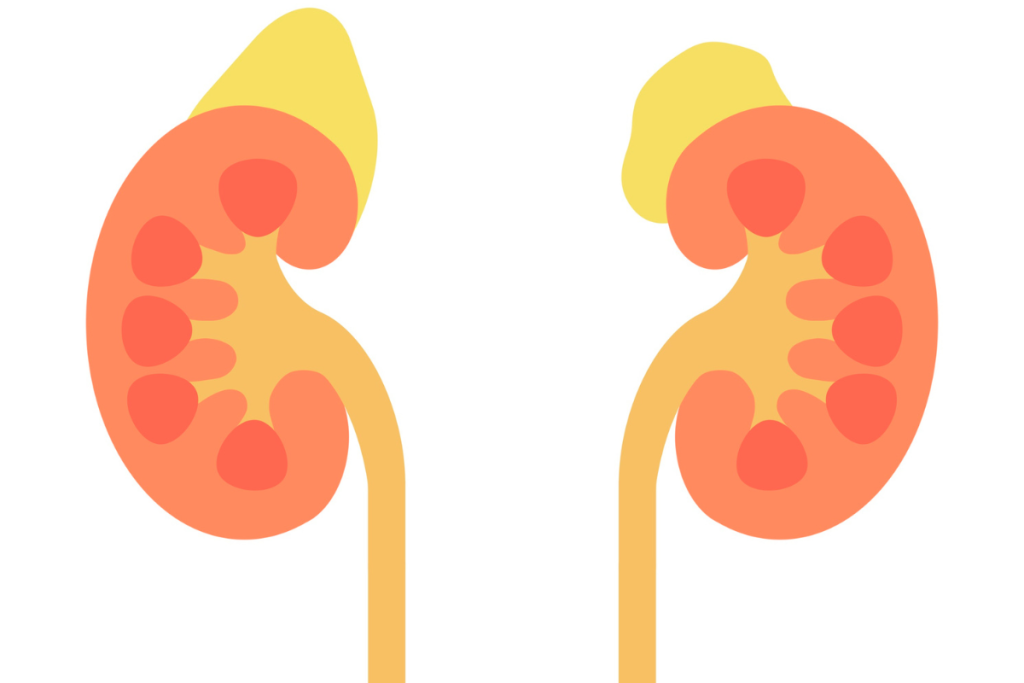
The adrenal glands are two small, triangular-shaped glands, each sitting on top of a kidney.
They secrete hormones directly into the bloodstream, which help various body tissues function properly. Hormone production in the adrenal glands is controlled by signals from the pituitary gland, which in turn is regulated by the hypothalamus, both located in the brain.
The adrenal glands are composed of two distinct parts, each with specific functions:
- Adrenal cortex (outer layer)
- Adrenal medulla (inner layer)
Each zone of the adrenal cortex produces specific hormones, many of which are essential for the stress response and overall survival,
Key hormones produced by the adrenal cortex include:
Cortisol
- Regulates how the body uses fats, carbohydrates, and proteins
- Controls blood pressure and increases blood sugar
- Represses inflammation and can reduce bone formation
- Regulates the sleep/wake cycle
- Released during stress to provide an energy boost
Aldosterone
- Regulates blood pressure
- Maintains sodium and potassium balance
- Helps control blood pH through electrolyte regulation
DHEA and Androgenic Steroids
- Precursor hormones converted by the ovaries into estrogens and by the testes into androgens
- Produced in smaller amounts in the adrenal glands than in the ovaries or testes
Key hormones produced by the adrenal medulla
Epinephrine (Adrenaline) and Norepinephrine (Noradrenaline)
- Control the fight or flight response
- Increase heart rate and heart contraction strength
- Maintain or raise blood pressure during stress
- Provide additional energy during physical or emotional stress
Adrenal gland disorders
When the adrenal glands produce too much or too little of specific hormones, it can lead to various disorders. These include:
Adrenal gland tumours.
- Often benign and may not cause symptoms
- Can cause excess hormone production, leading to conditions such as:
- Cushing Syndrome – excess cortisol
- Primary hyperaldosteronism – excess aldosterone
- Pheochromocytoma – excess adrenaline
Other adrenal disorders include:
- Adrenocortical Carcinoma – cancerous adrenal tumour
- Congenital Adrenal Hyperplasia (CAH) – genetic disorder causing cortisol deficiency
- Adrenal gland suppression – often from long-term steroid medications used for chronic diseases such as arthritis, severe allergies, asthma, or autoimmune conditions
- Addison’s Disease – rare autoimmune disorder causing insufficient cortisol production
- Hyperaldosteronism – excess aldosterone, often due to a tumour or adrenal hyperplasia
Symptoms of adrenal gland disorders
Symptoms vary depending on the specific disorder and hormone affected. They can range from fatigue, high or low blood pressure, weight changes, muscle weakness, to severe hormonal crises in some cases.
How are adrenal gland disorders diagnosed?
Diagnosis depends on the disorder and may include:
- Physical examination
- Blood tests
- ACTH stimulation test
- Urine tests
- CT or MRI scans
Some childhood adrenal disorders may also be detected through newborn screening.
During a consultation, Dr Imran will take a thorough medical and family history to determine the appropriate tests.
Treatment and management
Treatment varies depending on the specific adrenal disorder and may include:
- Medications to reduce excess hormone production
- Hormone replacement therapy for deficiencies
- Surgical intervention for tumour removal if required
Dr Imran provides specialised care for adrenal gland disorders, tailoring treatment to your condition and needs.
If you require expert management for adrenal disorders, please ask your GP for a referral and contact our rooms on 07 3050 4907 to arrange a consultation.