
What is Polycystic Ovary Syndrome (PCOS)?
Polycystic ovary syndrome (PCOS) is a common condition that can cause irregular periods, acne, excess facial hair, or hair loss from the scalp. About 10 percent of women are affected by PCOS. Most, but not all, individuals with PCOS are overweight or obese.
What causes PCOS?
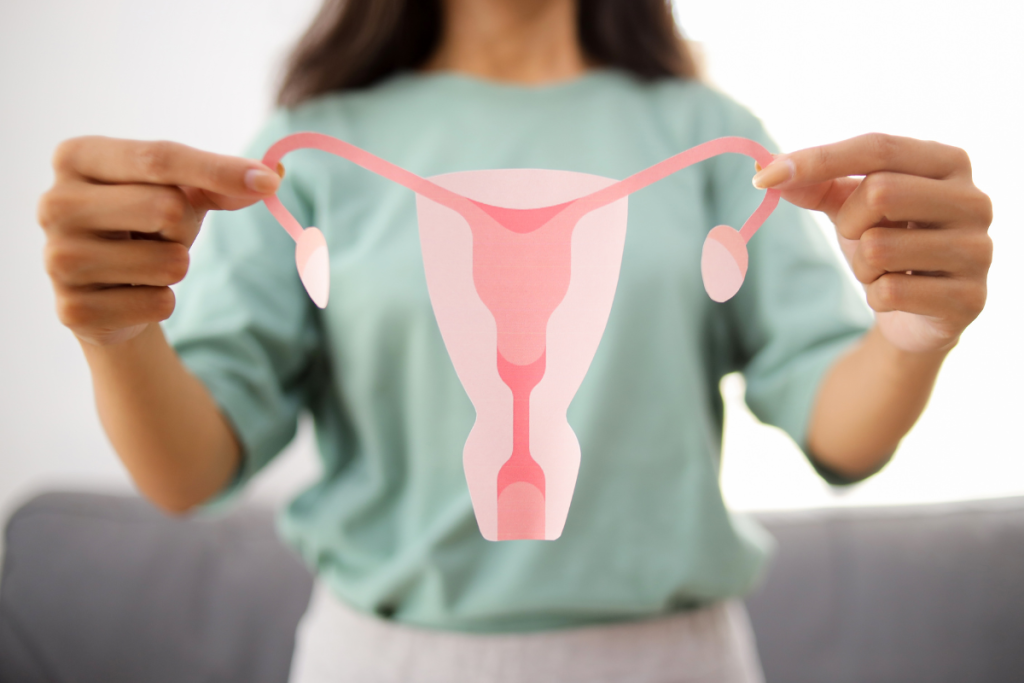
Each month, ovaries typically produce a structure called a “follicle”. As the follicle grows, it produces hormones and eventually releases an egg, a process known as “ovulation.” In individuals with PCOS, multiple small follicles are produced rather than a single large one, leading to hormonal imbalances. This disrupts ovulation, causing irregular periods.
People with PCOS often produce higher levels of testosterone than usual. Though testosterone is typically referred to as a “male hormone,” it is present in all individuals in varying amounts.
What are the symptoms of PCOS?
Symptoms may include:
- Fewer than 8 periods per year
- Increased hair growth on the upper lip, chin, sideburns, chest, or abdomen
- Acne (oily skin and pimples, particularly on the face)
- Hair thinning or hair loss from the scalp
- Difficulty getting pregnant without medical assistance
- Weight gain and obesity
Should you seek help, even if symptoms are mild?
Yes. PCOS can increase the risk of several health issues, including:
- Diabetes (high blood sugar)
- High cholesterol levels
- Sleep apnea (a sleep disorder where breathing stops briefly during sleep)
- Depression or anxiety
- Eating disorders, such as binge eating or bulimia
Should you have tests?
Based on your age, symptoms, and individual situation, tests may be recommended, including:
- Blood tests to measure hormone levels, blood sugar, and cholesterol
- A pregnancy test if periods are missed
- Pelvic ultrasound – This uses sound waves to create images of the uterus and ovaries and can help identify polycystic ovaries.
How is PCOS treated?
The most common treatment is birth control pills, but there are other options that can help manage symptoms:
- Birth Control Pills – While they don’t cure PCOS, birth control pills can help regulate periods, reduce acne, and control facial hair growth. They also lower the risk of uterine cancer.
- Anti-Androgens – These medications block hormones that contribute to symptoms like acne and facial hair growth. They are typically prescribed in combination with birth control pills.
- Progestogen – This hormone can help make periods more regular and lower the risk of uterine cancer.
- Metformin – This medication can help regulate periods, though it is effective in about half of those who take it. It also helps lower blood sugar in people with diabetes and can prevent the onset of diabetes in individuals with prediabetes.
- Topical Treatments – Medicated skin lotions or antibiotics can help manage acne.
- Laser Therapy or Electrolysis – These treatments can help remove unwanted hair.
What can you do on your own?
If you are overweight or obese, losing even 5 percent of your body weight can significantly improve many symptoms of PCOS. For example, if you weigh 90 Kg, losing 4.5 Kg can have a positive impact.
What if you want to get pregnant?
Most individuals with PCOS can get pregnant, but it may be easier for those who do not have excess body weight. Losing weight can help make periods more regular and improve fertility. If weight loss doesn’t resolve irregular periods, medications can help stimulate ovulation and increase the chances of pregnancy.
What will your life be like?
Living with PCOS is entirely manageable, and many individuals lead full, healthy lives. Treatment can help reduce symptoms and lower the risk of other health issues.
If you experience depression, anxiety, or think you might have an eating disorder, or if you encounter sexual health issues, support and treatments are available to help.