
Hypothyroidism is a condition caused by an underactive thyroid gland, resulting in insufficient production of the essential thyroid hormones triiodothyronine (T3) and thyroxine (T4).
Although hypothyroidism is most common in middle-aged and older women, it can affect people of all ages, including infants, children and adolescents.
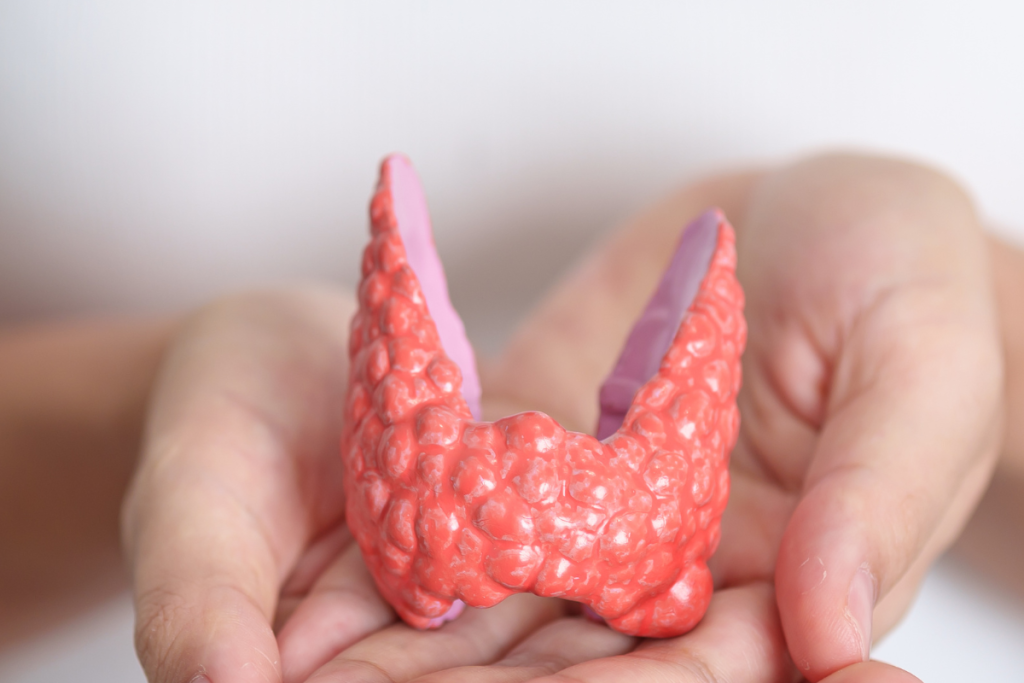
The thyroid gland, located at the front of the neck, plays a critical role in regulating energy production and metabolism throughout the body. When thyroid hormone levels are low, the body’s natural processes slow down. Hypothyroidism is generally a lifelong condition that requires ongoing management.
What causes hypothyroidism?
The most common cause of hypothyroidism is an autoimmune process. The immune system normally protects the body against infections, but in autoimmune conditions it mistakenly attacks healthy tissue.
Hashimoto’s disease is the most frequent cause of hypothyroidism. In this condition, the immune system attacks the thyroid gland, leading to chronic inflammation and gradual loss of thyroid function. Hashimoto’s disease often runs in families, and multiple family members may be affected.
Other common causes of hypothyroidism include:
- A family history of autoimmune disease
- Treatment for hyperthyroidism, particularly radioactive iodine therapy, which may permanently reduce thyroid hormone production
- Surgical removal of part or all of the thyroid gland
- Radiation therapy to the head or neck (e.g. for lymphoma, leukaemia or head and neck cancers)
- Certain medications, including those used to treat psychological conditions, cancer and heart disease
- Pregnancy and increasing age, particularly in women
Who is most at risk of hypothyroidism?
People at increased risk include:
- Women, especially with increasing age
- Pregnant women
- Individuals with a family history of autoimmune or thyroid disease
- Those who have undergone thyroid surgery or radioactive iodine treatment
- People receiving radiation therapy to the head or neck
What are the symptoms of hypothyroidism?
In the early stages, hypothyroidism may cause few or no symptoms. Over time, if untreated, it can lead to significant health problems such as obesity, joint pain, infertility and heart disease.
Symptoms often develop gradually over several years and may initially be mistaken for normal ageing.
Common symptoms in adults include:
- Fatigue
- Increased sensitivity to cold
- Constipation
- Dry skin
- Weight gain
- Puffy face
- Hoarseness
- Muscle weakness, aches, tenderness or stiffness
- Joint pain, stiffness and swelling
- Irregular menstrual cycles
- Heavy menstrual periods
- Thinning hair
- Elevated cholesterol levels
- Slowed heart rate
- Depression
- Memory impairment
- Enlarged thyroid (goitre)
Hypothyroidism in infants, children and adolescents
Although more common in adults, hypothyroidism can affect all age groups.
Infants
Some babies are born without a thyroid gland or with a gland that does not function properly.
Early symptoms may include:
- Yellowing of the skin and whites of the eyes (jaundice)
- Large, protruding tongue
- Breathing difficulties
- Hoarse cry
- Umbilical hernia
If untreated, infants may fail to thrive and experience:
- Constipation
- Poor muscle tone
- Excessive sleepiness
Untreated hypothyroidism in infants can lead to severe physical and intellectual disability, highlighting the importance of early detection.
Children and adolescents
Symptoms are similar to those seen in adults but may also include:
- Poor growth resulting in short stature
- Delayed development of permanent teeth
- Delayed puberty
- Impaired mental development
How is hypothyroidism diagnosed?
Hypothyroidism is diagnosed using accurate thyroid function blood tests, which measure levels of thyroid hormones and thyroid-stimulating hormone (TSH).
Can hypothyroidism be prevented or reversed?
Hypothyroidism cannot usually be prevented. In rare cases, it may resolve without treatment, but this is uncommon. Early recognition of symptoms and specialist endocrine care are essential for effective long-term management.
Dietary considerations for hypothyroidism
The thyroid requires iodine to function properly. A balanced diet containing whole grains, legumes, lean proteins, and a variety of fruits and vegetables supports overall thyroid health.
Some evidence suggests that soy products may interfere with thyroid hormone production in certain individuals. It is advisable to monitor and limit excessive soy intake, particularly if you have hypothyroidism.
Treatment and management of hypothyroidism
In most cases, hypothyroidism can be effectively controlled with thyroid hormone replacement therapy. This involves supplementing low T4 levels with levothyroxine, a synthetic hormone that mimics the body’s natural thyroid hormone.
Following thorough assessment and testing, Dr Imran will determine the appropriate dosage needed to restore normal hormone levels and relieve symptoms. Regular monitoring is important to ensure optimal treatment.
Specialist care
If you have concerns about hypothyroidism or have been diagnosed with the condition, please ask your GP for a referral to Dr Imran for expert assessment, treatment and ongoing management.