

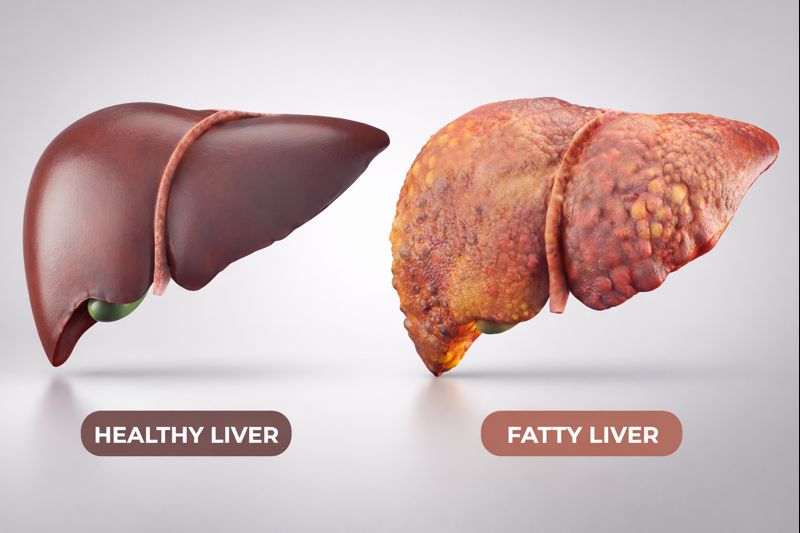
What is metabolic dysfunction-associated steatotic liver disease (MAFLD)?
Metabolic (dysfunction) Associated Fatty Liver Diseas (MAFLD) is now one of the most common liver conditions in Australia, closely linked with obesity, type 2 diabetes, and metabolic syndrome. It occurs when excess fat builds up in the liver and can lead to inflammation or scarring over time if not managed.
More than 5.5 million Australians are, or have been, affected by liver disease, including MAFLD. If left untreated, these conditions can progress to liver failure and liver cancer. MAFLD is even projected to become the leading reason for liver transplantation within the next two decades.
Previously known as non-alcoholic fatty liver disease (NAFLD), the condition was renamed as advances in medical knowledge revealed that the old term no longer captured its complexity. In some parts of the world, it is now referred to as MASLD (Metabolic Associated Steatotic Liver Disease)—a terminology that is likely to become more widely adopted in the future.MAFLD can arise from multiple underlying causes, affects people regardless of alcohol consumption, and can also act as a disease modifier in individuals with other forms of liver disease.
When the liver has fat buildup and is inflamed, the condition is called “metabolic dysfunction-associated steatohepatitis,” or “MASH.” MASH used to be called “nonalcoholic steatohepatitis” or “NASH.”
What are the symptoms of MASH?
Most people with MASH (when there is liver inflammation) do not have any symptoms. Some people may feel tired or generally unwell, or have discomfort in the upper part of the abdomen.
A healthcare provider may suspect MASH based on the results of routine blood tests.
Will you need more tests?
Yes. If MASH is suspected, you will likely have:
- Additional blood tests
- An imaging test of the liver – This may be an ultrasound or an MRI scan. These tests create pictures of the inside of the body.
Some people may need a liver biopsy. During a biopsy, a small sample of liver tissue is removed. Another specialist then examines the sample under a microscope to look for signs of MASH. This is the only test that can confirm MASH for certain. A biopsy may be recommended if the diagnosis is unclear or to assess how much inflammation or scarring is present. If blood tests and imaging results are normal, a biopsy is usually not needed.
How is MASH treated?
Some people with MASH and liver scarring may need medication that treats MASH directly. However, most of the time MASH is not treated with specific medication. This is because it can improve when related health conditions are managed. For example, weight loss and good control of blood sugar and cholesterol can help improve MASH.
A healthcare provider can:
- Help with weight loss, if you have excess body weight – If weight loss is recommended, you can be supported in creating a safe plan. It is important not to lose weight too quickly. Aim for no more than 2 pounds (about 1 kilogram) per week. If diet and exercise are not enough, medication may be an option.
- Manage high blood sugar, if you have diabetes
- Treat high cholesterol, if present
These changes have benefits beyond improving MASH. They can also lower the risk of heart attack and stroke. This is important because people with MASH often have a higher risk of heart disease.
Vaccines to protect against hepatitis A and B may also be recommended. These infections can damage the liver.
What can you do on your own?
You can:
- Take all medications exactly as instructed
- Avoid alcohol, as it can worsen liver problems
- Eat a healthy diet rich in vegetables, fruits, and whole grains
- Stay physically active – even gentle activity, such as walking, is helpful
- Attend all scheduled medical appointments
Does MASH get worse over time?
It can. In some cases, MASH can lead to cirrhosis, which is severe scarring of the liver. Cirrhosis can cause symptoms such as leg swelling, shortness of breath, or extreme fatigue.
People with MASH need regular follow-up visits. These usually include blood tests to monitor liver health.
When should you seek urgent medical care?
Contact a healthcare provider right away if you develop symptoms of cirrhosis, including:
- Blood in bowel movements or vomit
- Signs of infection, such as a fever over 100.4°F (38°C) or chills
- Abdominal pain
- Swelling of the legs or ankles
- Trouble breathing
- Extreme tiredness
- Confusion
- Yellowing of the skin or the whites of the eyes (jaundice)
Worried about fatty liver?
Dr Imran provides tailored care for MAFLD patients—ask your GP for a referral today.