

What is Type 3c Diabetes?
Type 3c diabetes (also called pancreatic or pancreatogenic diabetes) occurs when damage to the pancreas affects its ability to produce insulin. This damage is not autoimmune and is usually caused by conditions such as chronic or acute pancreatitis, cystic fibrosis, pancreatic cancer, or surgical removal of the pancreas (pancreatectomy).
The pancreas has two important roles:
- Endocrine function – producing hormones like insulin that regulate blood sugar
- Exocrine function – producing digestive enzymes
In Type 3c diabetes, both functions are often affected. Many people also develop exocrine pancreatic insufficiency (EPI), meaning the pancreas doesn’t make enough digestive enzymes.
How common is Type 3c diabetes?
Type 3c diabetes is estimated to account for 1–9% of all diabetes cases. It is often under-recognised and misdiagnosed as Type 2 diabetes.
How is Type 3c different from other types of diabetes?
- Type 1 diabetes is an autoimmune condition where the body destroys insulin-producing cells. Insulin is always required.
- Type 2 diabetes develops due to insulin resistance and/or reduced insulin production and may be managed with lifestyle changes, tablets and/or insulin.
- Type 3c diabetes results from pancreatic damage. Insulin production varies, and many people also have problems digesting food due to enzyme deficiency.
Symptoms
Symptoms are similar to other types of diabetes and may include:
- Increased thirst and frequent urination
- Fatigue
- Blurred vision
- Unexplained weight loss
- Slow-healing wounds or frequent infections
Symptoms of associated digestive enzyme deficiency may include:
- Abdominal pain, bloating or gas
- Diarrhoea or constipation
- Fatty, pale or foul-smelling stools
- Unintentional weight loss
Causes
Type 3c diabetes can result from:
- Chronic or acute pancreatitis
- Pancreatic surgery (pancreatectomy)
- Pancreatic cancer
- Cystic fibrosis
- Hemochromatosis
If you have pancreatic disease and symptoms of diabetes, early assessment is important for accurate diagnosis and tailored treatment.
Diagnosis
Diagnosis can be challenging and requires:
- Confirmation of diabetes (fasting glucose and/or HbA1c)
- Evidence of pancreatic disease (imaging and pancreatic function tests)
- Exclusion of Type 1 diabetes (autoantibody testing when appropriate)
Accurate diagnosis is essential, as management differs from Type 2 diabetes.
Management
Treatment depends on the degree of pancreatic damage and may include:
- Oral glucose-lowering medications (e.g. metformin)
- Insulin therapy
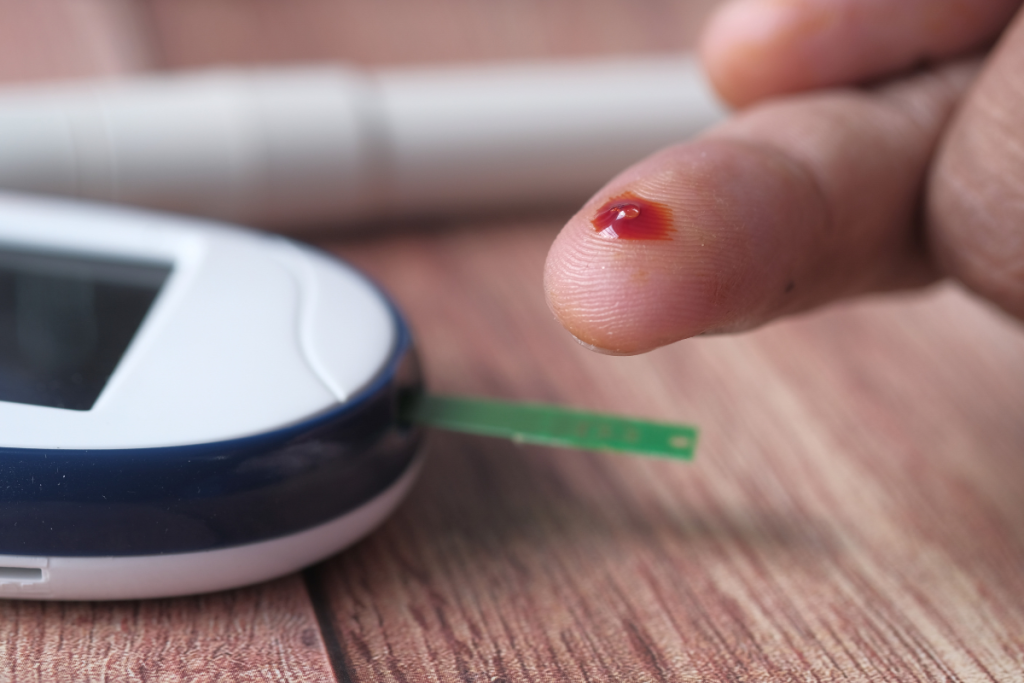
- Blood glucose monitoring (finger-stick and/or CGM)
- Individualised nutrition planning, often with dietitian support
- Regular physical activity
Treatment needs may change over time as pancreatic function declines.
To arrange for a consultation with Dr Imran regarding your diabetes, please ask your GP for a referral.